
Many Times a “Roof Leak” Isn’t Actually the Roof
Many times we get a leak repair call and when we explore the reasons, we identify it’s something else entirely. In Hawaii, where heavy rains, humidity, salt air, and tropical storms constantly test your home’s exterior, water intrusion can come from a variety of places, not just the roofing system itself.
The team at Kokua Roofing believes homeowners deserve honest answers and practical education before jumping into expensive repairs. Sometimes the issue is a failing roof. Other times, it’s a clogged gutter, cracked sealant, or even condensation from your attic.
Understanding the difference can help you act faster, avoid unnecessary costs, and protect your home from long-term damage.
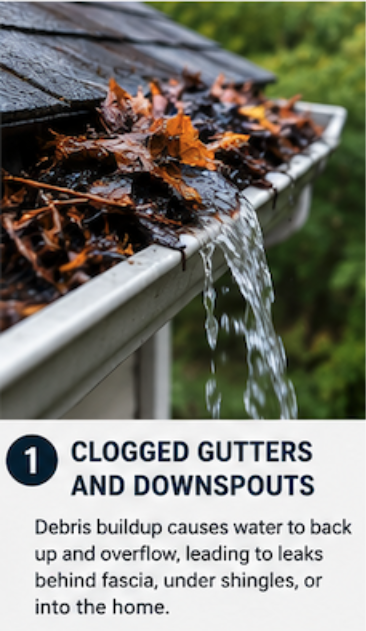
1. CLOGGED GUTTERS AND DOWNSPOUTS
One of the most common “roof leak” calls we receive turns out to be blocked gutters.
When gutters fill with leaves, debris, dirt, or roofing granules, rainwater cannot properly drain away from the home. Instead, water backs up underneath shingles, spills behind fascia boards, or overflows near windows and siding.
Common Signs
- Water stains near the edge of ceilings
- Overflowing gutters during rain
- Mildew near exterior walls
- Peeling paint around soffits or fascia
Why It’s Common in Hawaii
Tropical vegetation, trade winds, and frequent rainstorms create ideal conditions for rapid gutter buildup, especially on homes surrounded by palms or large trees.
What Homeowners Can Do
- Inspect gutters every few months
- Remove visible debris safely
- Ensure downspouts direct water away from the home
- Schedule professional cleaning before storm season

2. LEAKING OR IMPROPERLY SEALED WINDOWS
A leaking window can easily mimic a roof leak.
During heavy wind-driven rain, water may penetrate around deteriorated caulking, damaged flashing, or improperly installed window frames. The moisture then travels inside walls before appearing on ceilings or drywall, making the roof seem like the culprit.
Common Signs
- Water stains directly below windows
- Bubbling paint around trim
- Moisture after sideways rain
- Drafts or soft drywall near windows
What Causes It
- Aging sealant
- Cracked window flashing
- Poor installation
- Structural settling over time
In Hawaii’s coastal climate, UV exposure and salt air can accelerate the breakdown of sealants and exterior materials.
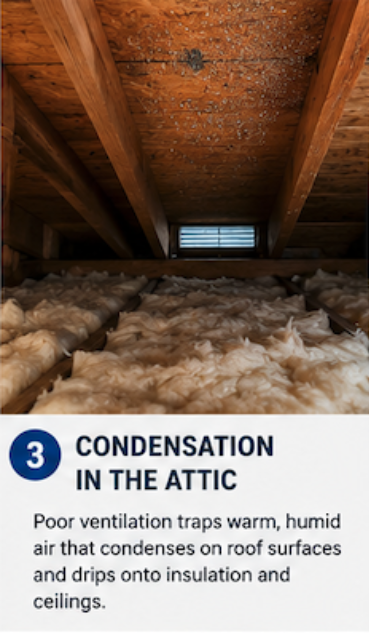
3. CONDENSATION IN THE ATTIC
Not all moisture comes from outside.
Poor attic ventilation can create condensation that drips onto insulation, drywall, or framing members. Many homeowners mistake this for an active roof leak.
Common Signs
- Damp attic insulation
- Musty odors
- Mold or mildew growth
- Moisture appearing during cooler mornings
Why It Happens
Warm interior air rises into the attic and meets cooler roof surfaces, creating condensation. Homes without proper airflow are especially vulnerable in humid Hawaiian climates.
Potential Culprits
- Blocked attic vents
- Inadequate insulation
- Bathroom fans venting into the attic
- Poor air circulation
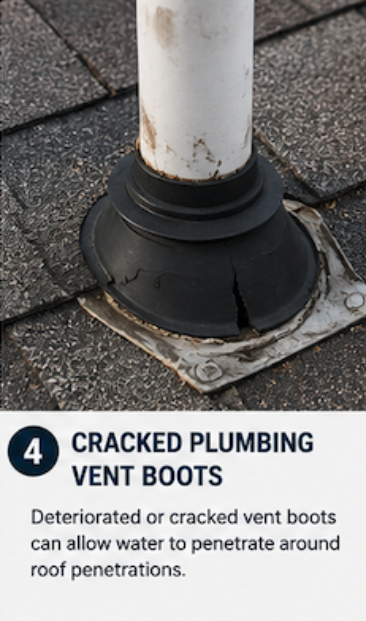
4. CRACKED PLUMBING VENT BOOTS
The plumbing vents that extend through your roof are sealed with protective flashing or rubber boots. Over time, these materials can crack, shrink, or deteriorate under UV exposure.
Common Signs
- Small leaks near bathrooms
- Water appearing after rain
- Stains near vent pipe locations
This issue often looks like a major roofing failure when it’s actually an isolated flashing repair.

5. AIR CONDITIONING DRAIN LINE ISSUES
In Hawaii, air conditioning systems work hard year-round. When condensate drain lines clog or overflow, water can travel through ceilings and walls.
Common Signs
- Water spots near AC vents
- Dripping during AC operation
- Ceiling stains unrelated to rainfall
Many homeowners are surprised to discover their “roof leak” only appears when the AC system is running heavily.
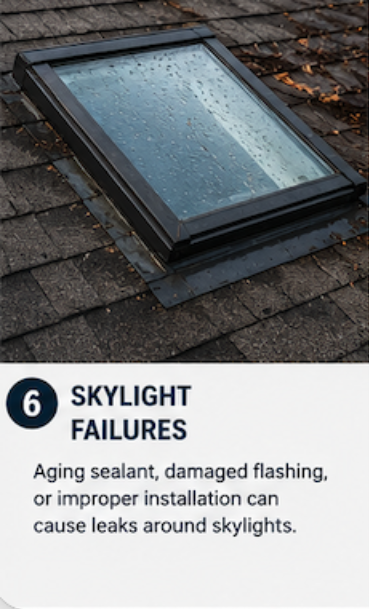
6. SKYLIGHT FAILURES
Skylights are beautiful additions to Hawaiian homes, but they require proper installation and maintenance.
Leaks may occur around:
- Old sealant
- Cracked flashing
- Condensation buildup
- Improper curb installation
Common Signs
- Moisture around skylight trim
- Fogging between glass panes
- Dripping during storms
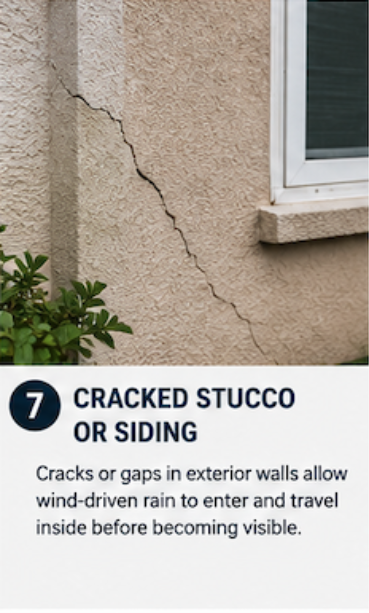
7. CRACKED STUCCO OR SIDING
Exterior wall systems can allow water intrusion that eventually appears indoors.
Wind-driven rain can penetrate:
- Cracked stucco
- Damaged siding joints
- Failed exterior sealants
Water may travel several feet before becoming visible inside the home, making diagnosis challenging without a professional inspection.
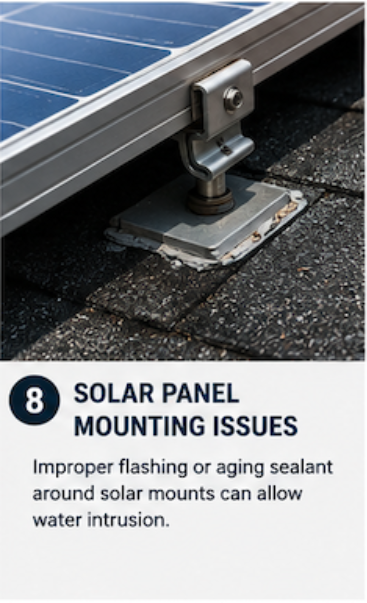
8. SOLAR PANEL MOUNTING ISSUES
Solar systems are increasingly popular across Hawaii, but improper mounting or aging penetrations can sometimes allow water intrusion.
Common Signs
- Leaks near panel attachment areas
- Water appearing after storms
- Roof issues isolated to solar installation zones
This does not necessarily mean the roof itself has failed. It may simply require resealing or flashing adjustments.
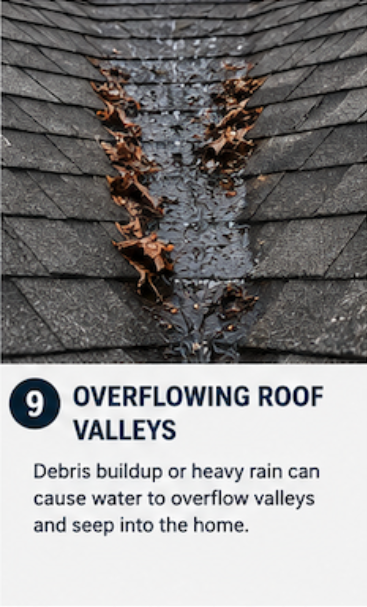
9. OVERFLOWING ROOF VALLEYS
Roof valleys are designed to channel large amounts of water. During severe rainstorms, debris buildup or poor drainage can cause overflow.
Common Signs
- Leaks during heavy downpours only
- Water entering near interior corners
- Debris accumulation visible on roof
Because Hawaii experiences sudden intense rainfall, valleys are especially important areas to monitor.
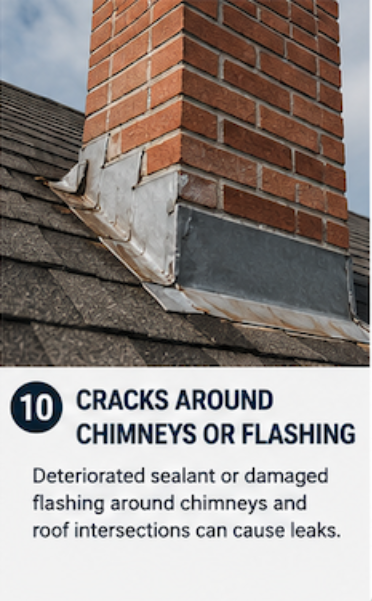
10. CRACKS AROUND CHIMNEYS OR FLASHING
Any roof penetration, including chimneys, vents, or wall transitions, relies on flashing systems to remain watertight.
Over time:
- Sealants deteriorate
- Flashing loosens
- Fasteners corrode
These smaller failures are often repairable without requiring a full roof replacement.
HOW TO TELL IF IT’S ACTUALLY THE ROOF
While some leaks originate from the roofing system itself, many water intrusion problems stem from surrounding components.
A professional inspection should evaluate:
- Roofing materials
- Flashing systems
- Gutters and drainage
- Windows and siding
- Attic ventilation
- Mechanical systems
During our inspections we focus on identifying the true source of the issue, not simply selling a roof replacement when one may not be necessary.
WHEN TO CALL A PROFESSIONAL
You should schedule an inspection if you notice:
- Ceiling stains
- Musty odors
- Bubbling paint
- Dripping during rain
- Mold growth
- Sagging drywall
- Visible exterior deterioration
The sooner the issue is identified, the easier, and often less expensive, it is to resolve.
PROTECTING HAWAII HOMES WITH HONEST GUIDANCE
Whether you are in Kona, Maui, Oahu or Molokai, Hawaii’s climate creates unique challenges for homeowners. Salt air, tropical rain, humidity, and UV exposure all contribute to wear across multiple parts of a home, not just the roof itself.
Kokua Roofing is committed to providing homeowners with transparent recommendations, quality craftsmanship, and practical solutions designed specifically for Hawaii’s environment. Whether the issue is a roofing repair, drainage problem, flashing detail, or ventilation concern, our goal is to help you make informed decisions with confidence.
If you’ve noticed signs of water intrusion in your home, scheduling a professional inspection is the best first step toward protecting your investment and restoring peace of mind.